

Land Problems
Is It Worth Fighting for Access to a Landlocked Property in the Philippines? A Call to Lawmakers
Aug
Is It Worth Fighting for Access to a Landlocked Property in the Philippines? A Call to Lawmakers
Introduction
Owning a piece of land is a dream for many Filipinos. However, this dream can quickly turn into a nightmare if your property is landlocked—cut off from public roads, with no direct access. In the Philippines, securing a right of way can be a complex and costly process, raising the question: Is it worth the fight? This article explores the challenges of owning a landlocked property, the legal hurdles involved, and why it’s time for lawmakers, especially our senators, to step in and improve the situation for landowners.
The Struggle of Owning Landlocked Property
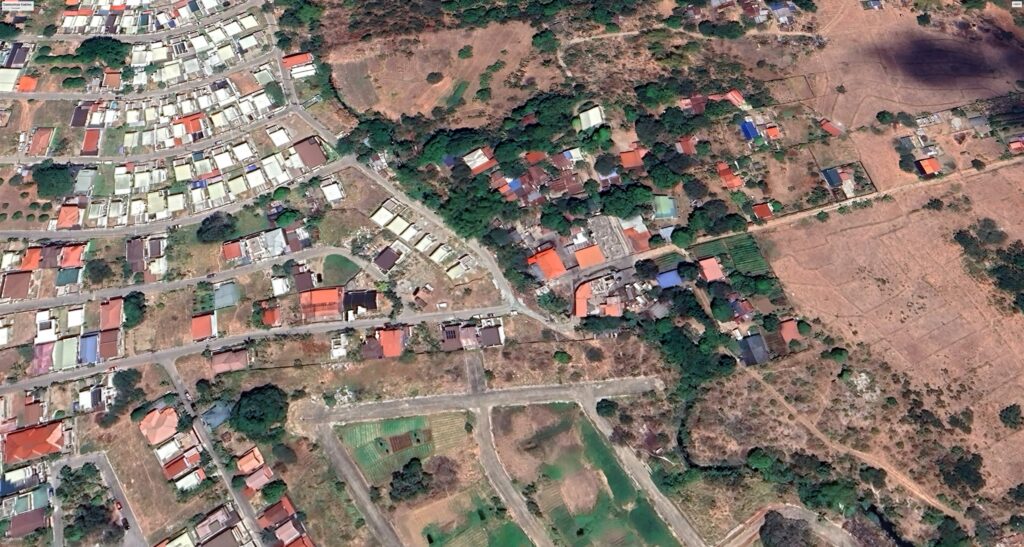
Landlocked properties are those surrounded by other properties, with no direct access to a public road. This situation can make the land virtually unusable and severely diminish its value. Owners of landlocked properties often face the following issues:
- Difficulty in Securing a Right of Way:
While the Civil Code of the Philippines provides for the right to request access through neighboring properties, the process can be lengthy, expensive, and fraught with disputes. Landowners must negotiate with neighbors and may have to resort to legal action if agreements cannot be reached. - Costly Compensation:
Even if a right of way is granted, the landowner must pay compensation to the neighboring property owners. This indemnity covers the value of the land used and any damages caused. For many landowners, this cost can be prohibitive. - Legal Battles:
Disputes over right of way can lead to prolonged legal battles, further draining resources and delaying the resolution. The legal process is not only time-consuming but can also be emotionally taxing. - Limited Support from Local Government:
While local government units (LGUs) are tasked with resolving public grievances and managing infrastructure, their involvement in right of way issues is often minimal. Many landowners find themselves navigating the process with little to no support from local authorities.
Is It Worth the Fight?
Given these challenges, is it worth fighting for access to a landlocked property? The answer depends on several factors:
- Property Value:
If the property is highly valuable or strategically located, securing a right of way can significantly enhance its value and usability. In such cases, the investment in legal fees and compensation may be justified. - Long-Term Plans:
For landowners with long-term plans for development or agricultural use, obtaining access is crucial. Without it, the land remains an underutilized asset. - Community and Economic Impact:
In some cases, securing access to a landlocked property can benefit not just the individual owner but the broader community. Improved access can lead to development, job creation, and increased economic activity in the area.
A Call to Lawmakers
The challenges faced by landlocked property owners highlight the need for legislative reform. It’s time for our lawmakers, particularly our senators, to address the following issues:
- Streamlining the Right of Way Process:
The process for securing a right of way should be made more accessible and less burdensome. Lawmakers could consider simplifying the legal requirements and reducing the costs associated with obtaining access. - Providing Greater Support to Landowners:
Local government units should be empowered and required to play a more active role in resolving right of way disputes. This could include providing mediation services and ensuring that landowners have access to legal advice and support. - Ensuring Fair Compensation:
The current system of compensation can be prohibitive for many landowners. Lawmakers should explore ways to ensure that compensation is fair and reasonable, without placing undue financial strain on landlocked property owners. - Raising Awareness:
Many landowners are unaware of their rights and the legal options available to them. Lawmakers should work to raise awareness of these issues and provide resources to help landowners navigate the right of way process.
Conclusion
Fighting for access to a landlocked property in the Philippines is often a challenging and costly endeavor. However, with the right support and legislative reforms, it can be worth the effort, unlocking the potential of the land and benefiting both the individual owner and the broader community. It’s time for our lawmakers to take action and ensure that landlocked property owners have the tools and support they need to secure their rights.
#LandlockedPropertyPH #RightOfWayReform #SupportLandowners #PhilippineLegislation #CallToAction #SenateReform
